
The Smarter Way to Find Office Space
Handpicked UK workspaces matched to your needs. Free expert guidance.
Expert Service
Your brief. Our expertise.
Tell us your city, team size, and budget. We'll shortlist the best private offices, coworking, or hybrid spaces and book tours for you—no chasing multiple agents.
Talk to a real advisor
Responses in under 30 minutes during business hours
Free Service
No fees or hidden charges
Impartial Advice
Unbiased recommendations

Expert Service
Get my shortlist
How it works
From brief to move-in, without the hassle
A guided, no-pressure process to find the right space at the right rate.
Share your brief
Location, team size, budget—one simple form. No endless calls or emails.
Get a shortlist
We match you with the best serviced offices and coworking spaces from 500+ vetted options.
Tour & sign faster
We arrange viewings, negotiate terms, and handle the paperwork so you can focus on business.
Featured Listings
Featured Listings
Our top-picks for workspace across the UK

38 Carver Street
Sheffield, S1

Aurora, 120 Bothwell Street
Glasgow, G2

Derby Pride Park
Derby, DE24
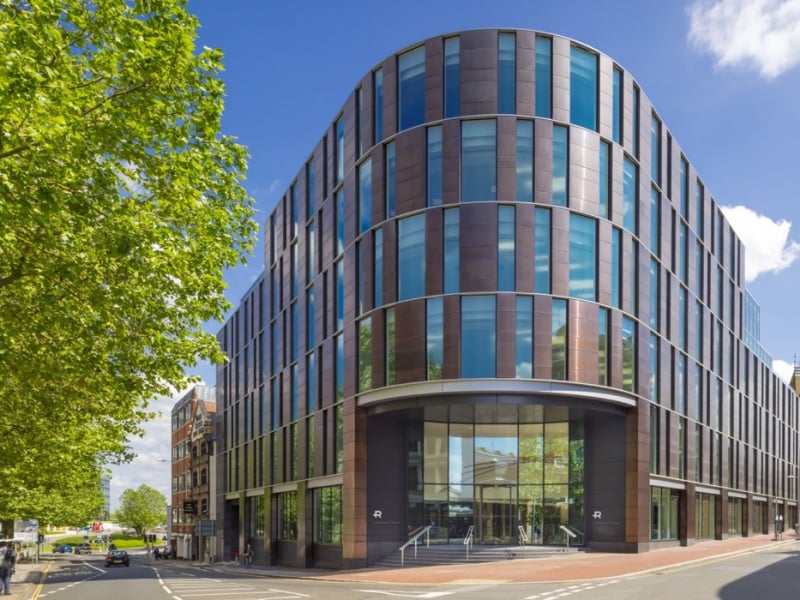
R+ Reading
Reading, RG1
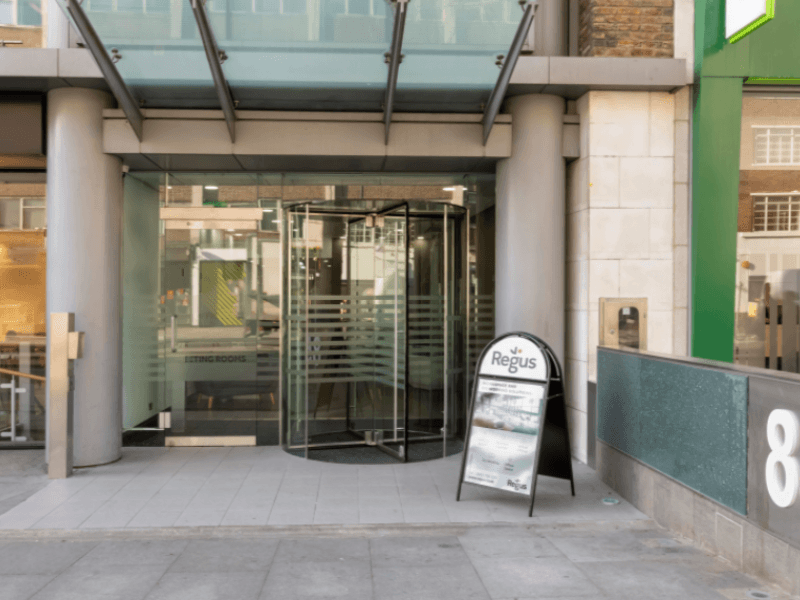
85 Tottenham Court Road
Fitzrovia, London, W1T

The Lincoln
Manchester, M2

Proof of trust
Trusted by teams across the UK
Measurable results and real feedback from companies who found their space with us.

Client outcomes
Curated tours, negotiated terms, smooth move-ins.
Finding our perfect office space was effortless with Offices.co.uk. The platform is intuitive, and we were able to move in within weeks.
Sarah Johnson
Marketing Director, TechStart
The variety of office options meant we could find a space that perfectly matched our company culture and budget requirements.
James Wilson
CEO, Innovate Solutions
As our team grew, we needed a larger space quickly. Offices.co.uk helped us find and secure our new headquarters in just days.
Emma Thompson
Operations Manager, Creative Co.
Solutions
Workspace options that fit your plan
From private HQs to flexible passes, we tailor space to your team size, cadence, and budget.
Private Offices
Dedicated space for your team with complete privacy, security, and customization options.
- Full control over your space
- Perfect for 2 to hundreds of people
- Long-term stability
Coworking Spaces
Vibrant community environments with hot desks, networking opportunities, and flexible membership plans.
- Networking opportunities
- All-inclusive amenities
- No long-term commitment
Not sure which solution fits your needs?
Get Expert Advice
Ready to Find Your Perfect Office Space?
Browse our extensive listings across the UK or let our team help you find the ideal workspace for your business.